

American Heritage
Born in Milwaukee.
Built for the World.
In 1848, two German immigrants — Guido Pfister and Frederick Vogel — arrived in Milwaukee with nothing but their trade and their conviction. Within a year, their tannery on the Menomonee River produced fifty percent of all leather made in the city.
By the 1870s, Pfister & Vogel™ was the largest tannery west of the Allegheny Mountains. By World War I, they employed over 3,500 workers and supplied leather to the U.S. military — gear that had to perform under the worst conditions imaginable.
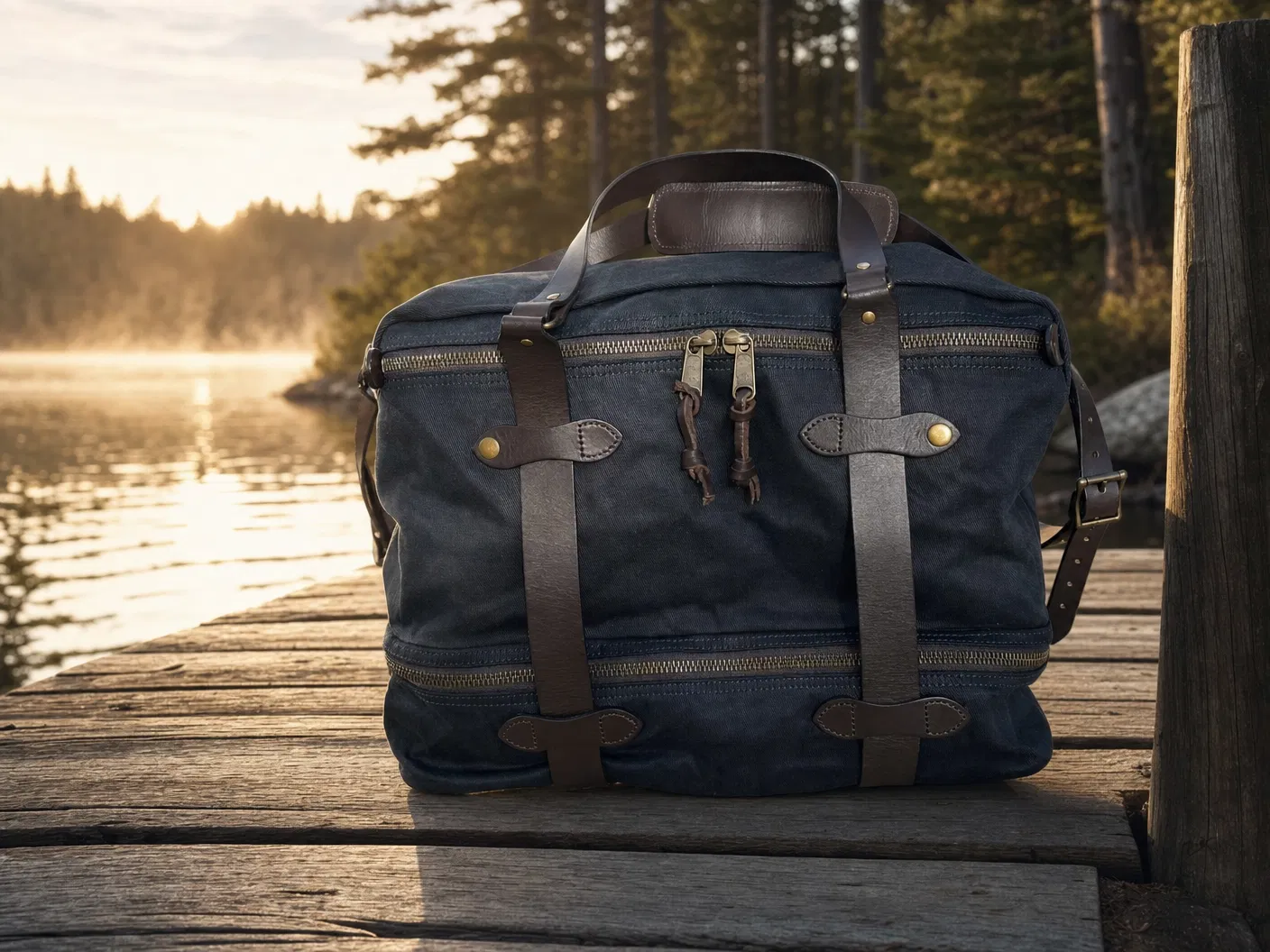
That standard never left. Years ago, I was clearing out my grandfather's barn when I found it — a Pfister & Vogel™ satchel buried under decades of dust. The leather was dark with age, the brass tarnished, the canvas stiff. But it wasn't broken. It hadn't given up. I'd carried modern gear through deployments that didn't hold up half as well. That bag — made before my grandfather was born — outlasted everything that came after it.
That's when I knew the name deserved to live again. Not as a museum piece. As a benchmark. If they built it that well then, we can build it that well now.
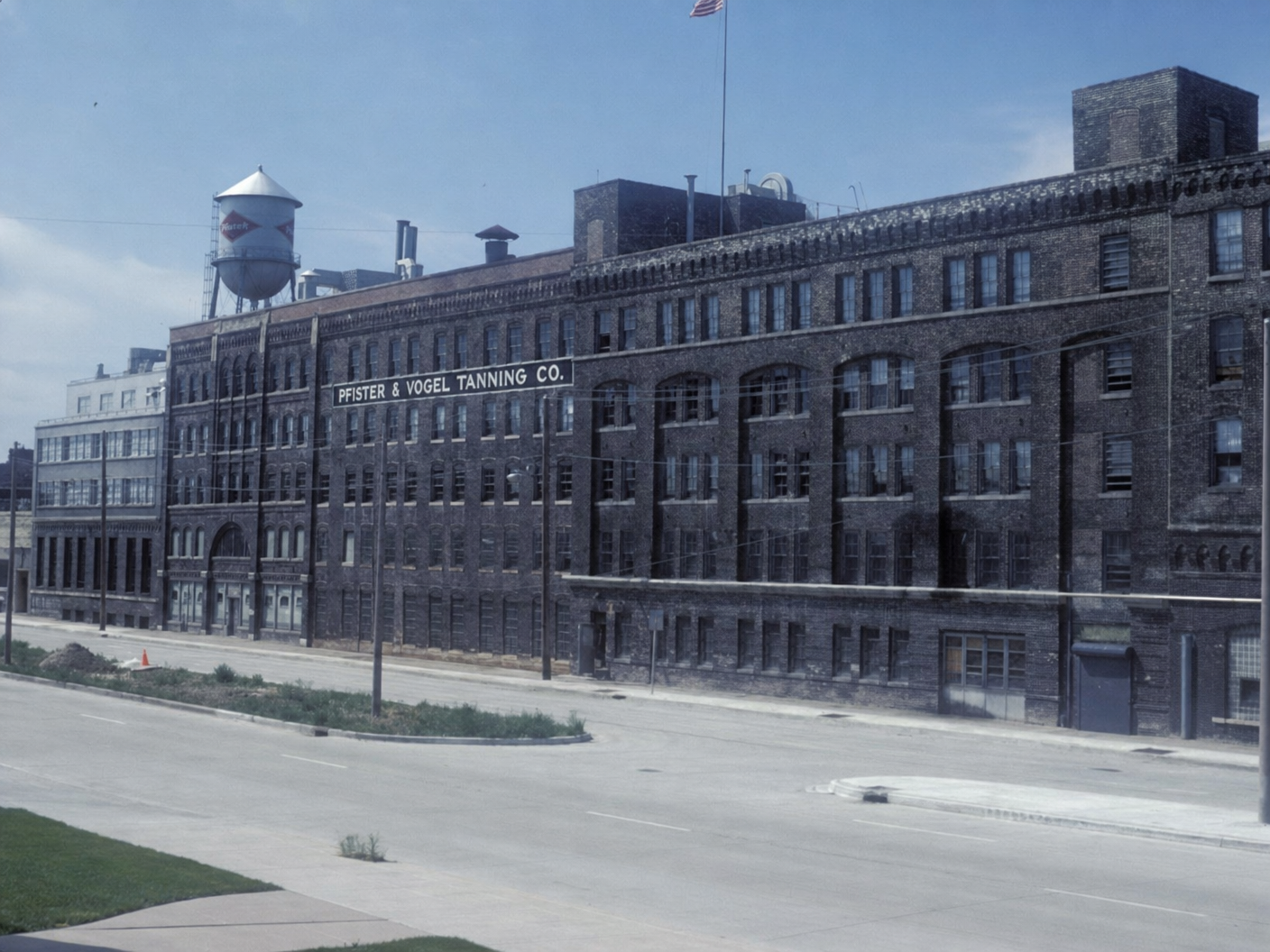
Pfister & Vogel™ Tanning Co. · Water Street, Milwaukee · 1978
1848
Est. in America